Uganda Safari Cost: How Much Does a Safari Really Cost in 2027?
Planning a Uganda safari starts with understanding your budget. The total cost depends on the length of your trip, the number of travelers, your choice of accommodation, transportation and the activities you want to include.
As a general guide, a Uganda safari may cost around US$250–US$300 per person per day for a budget-oriented experience, US$300–US$500 for a mid-range safari, and US$600–US$1,500 or more for a luxury safari. These are indicative planning estimates, and the final price will depend on your itinerary, travel dates, group size and the services included.
Uganda, known as the Pearl of Africa, offers an exceptional combination of wildlife, tropical rainforests, mountain landscapes, birding and cultural experiences. You can track mountain gorillas in Bwindi Impenetrable National Park, encounter chimpanzees in Kibale Forest, enjoy game drives in Queen Elizabeth National Park or explore the spectacular Murchison Falls.
At Travelers Link Africa, we design tailor-made safaris around your interests, preferred accommodation and budget, helping you make informed decisions before you travel.
How much does a safari cost in Uganda?
The cost of a Uganda safari varies according to your travel style and the experiences you choose. The following daily estimates provide a starting point for planning.
| Safari category | Estimated cost per person per day |
| Budget-oriented safari | US$250–US$300 |
| Mid-range safari | US$300–US$500 |
| Luxury or premium safari | US$600–US$1,500+ |
These estimates are intended as a general guide rather than fixed package rates. Confirm the inclusions and assumptions when comparing quotations, particularly the accommodation level, group size, transportation, park fees and activities.
For a trip lasting five to eight days, many travelers may budget approximately US$2,500–US$6,000 per person, depending on the itinerary and standard of travel. Gorilla trekking, domestic flights and premium accommodation can increase the overall cost.
What Is the Difference Between Budget, Mid-Range and Luxury Safaris?
Budget safaris
Budget-oriented safaris focus on essential comforts and carefully planned logistics. Accommodation may be simple, and the itinerary may prioritize road transfers and a smaller selection of activities to manage costs.
Mid-range safaris
Mid-range safaris offer comfortable accommodation, well-planned routes and rewarding wildlife and cultural experiences. This option provides a good balance between comfort, cost and the quality of the overall journey.
Luxury safaris
Luxury safaris feature premium lodges, exceptional service, carefully selected experiences and, where appropriate, domestic flights to reduce road travel. The final cost depends on the properties selected, exclusivity and the activities included.
Travelers Link Africa can tailor an itinerary to your preferred travel style without relying on a standard, off-the-shelf package.
What Determines the Cost of a Uganda Safari?
Several factors influence the total price of your Uganda safari. Understanding them helps you prioritize experiences and plan a realistic budget.
- Length of Your Safari
The length of your trip directly affects the total cost. A longer safari generally requires more accommodation nights, meals, fuel and activities. However, the average daily cost may decrease on longer trips when certain transport and logistical expenses are shared across more days.
- 3–5 days: Suitable for shorter wildlife or primate experiences.
- 7–10 days: Allows time to combine wildlife viewing, primate tracking and cultural activities.
- 10–12 days or longer: Provides more opportunities to explore different national parks, landscapes and communities at a comfortable pace.
A seven-to-ten-day itinerary can offer a good balance between cost and variety, depending on your interests and available time.
- Number of Travelers
The number of people traveling together has a significant effect on the cost per person, especially on a private safari.
Vehicle hire, fuel and the services of a driver-guide are shared across the group. As a result, a couple or family traveling together may pay less per person than a solo traveler using the same vehicle and services.
Solo travelers may also encounter single room supplements at lodges.
When requesting a quotation, provide the exact number of travelers so that your tour operator can calculate the cost accurately.
- Choice of Accommodation
Accommodation is one of the most important components of a Uganda safari budget. Lodges and camps vary in location, facilities, service levels and proximity to wildlife viewing areas.
- Budget: Simple guesthouses, camps and lodges offering essential comforts.
- Mid-range: Comfortable lodges and hotels with good facilities and convenient access to attractions.
- Luxury: Premium lodges and camps offering elevated service, distinctive settings and additional amenities.
Choosing accommodation close to your planned activities can also help reduce unnecessary driving. A well-selected mid-range lodge can provide a rewarding safari experience without the cost of a premium property.
- Time of Travel and Seasonality
The time of year can influence accommodation availability, lodge rates and the overall cost of your safari.
Uganda’s drier travel periods generally include December to February and June to September. These months are popular for wildlife viewing and trekking, and some lodges may charge higher rates during periods of strong demand.
The wetter months, particularly March to May and parts of September to November, can offer opportunities to find discounted accommodation. However, discounts vary by property and travel date.
The rainy season can also bring lush scenery, excellent birding opportunities and rewarding photographic conditions. Some roads and forest trails may become more challenging, so itinerary planning is important.
If your travel dates are flexible, ask your tour operator to compare available accommodation rates for different periods.
- Transportation and Driver-Guide Services
Transportation is a major cost on a Uganda safari because many destinations are several hours apart by road.
A private 4×4 safari vehicle provides flexibility, access to national parks and the opportunity to stop along the way. The cost depends on the vehicle, itinerary, distances covered and services included.
As a planning estimate, vehicle and driver-guide costs may start at around US$200 per day, excluding fuel. The precise quotation will depend on the arrangement and the services covered.
Domestic flights can reduce long road transfers, particularly when traveling to selected airstrips near gorilla trekking destinations or remote national parks.
Indicative domestic flight costs may start at approximately US$290 for a one-way journey, with return flights ranging from US$460 to US$1,000, depending on the route, airline, season and availability.
Although flying can save time, road transfers may be more economical and allow travelers to experience more of the countryside.
- National Park Entrance Fees
Uganda’s national parks and wildlife reserves charge entrance fees that contribute to the management of protected areas, wildlife conservation and related community benefits.
Entrance fees vary according to the destination and the visitor category. They are generally charged per person for a specified period and do not automatically include activities such as boat cruises, guided walks or primate trekking.
The following figures are the park-fee estimates used in this guide. Confirm the applicable tariff and visitor category when preparing your final safari quotation.
Category A parks
Murchison Falls National Park:
- Foreign non-resident: US$45
- Foreign resident: US$35
- East African citizen: UGX 25,000
Other Category A parks listed in this guide include Kidepo Valley, Queen Elizabeth, Bwindi Impenetrable, Mgahinga, Kibale and Lake Mburo national parks.
- Foreign non-resident: US$40
- Foreign resident: US$30
- East African citizen: UGX 25,000
Category B parks and reserves
These include Rwenzori, Semuliki, Mount Elgon, Toro-Semuliki, Katonga and Pian Upe.
- Foreign non-resident: US$35
- Foreign resident: US$25
- East African citizen: UGX 15,000
Category C reserves
These include Ajai, Bokora, Bugungu, East Madi, Kabwoya, Karuma, Kigezi, Kyambura and Matheniko.
- Foreign non-resident: US$10
- Foreign resident: US$5
- East African citizen: UGX 2,500
Note: The figures above reflect the rates supplied for this guide. Before publication, confirm the applicable 2027 rates, park classifications and conditions against the relevant Uganda Wildlife Authority tariff.
When comparing safari quotations, check that park entrance fees are included where applicable and that the costs of individual activities are clearly explained.

7. Safari Activities and Primate Permits
The activities you select have a significant influence on the cost of your Uganda safari.
A traditional wildlife safari may include game drives, boat cruises and guided nature walks. Adding gorilla trekking, chimpanzee tracking, specialist birding or cultural experiences can increase the overall budget.
Gorilla trekking
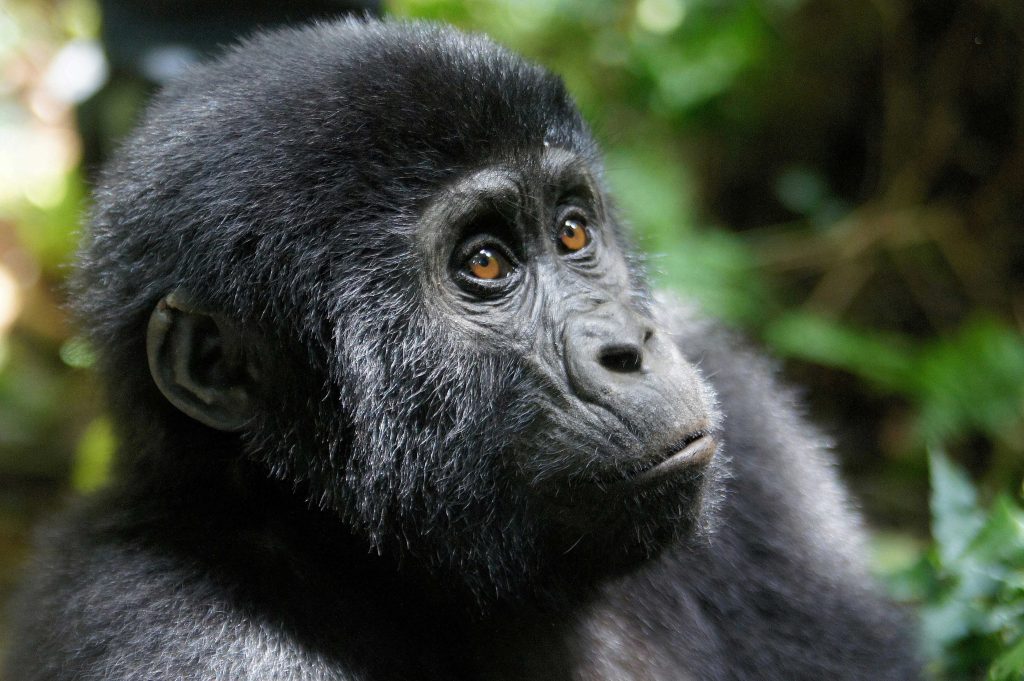
Mountain gorilla trekking in Bwindi Impenetrable National Park and Mgahinga Gorilla National Park is one of Uganda’s most sought-after experiences.
The standard gorilla trekking permit price used in this guide is US$800 per person. A low-season rate of US$600 per person has also been quoted for April, May and November.
Because promotional and seasonal permit conditions can change, confirm the applicable rate, dates and eligibility before booking.
For more information, visit our Uganda Gorilla Trekking Tour page.
Chimpanzee tracking
Chimpanzee tracking is available in destinations such as Kibale Forest National Park and Kyambura Gorge. Permit charges vary by location and applicable tariff.
The indicative Kibale chimpanzee trekking permit price used in this guide is US$250 per person. Confirm the current fee and the charges for any alternative destination before finalizing your itinerary.
You can explore our Uganda Rwanda Primate Experiences for ideas on combining primate encounters across the region.
Birding experiences
Uganda offers excellent birding opportunities, including forest species, wetland birds and Albertine Rift endemics. Specialist birding trips may require a dedicated guide with advanced identification skills.
As a planning estimate, a specialist birding guide may cost approximately US$70–US$100 per day, depending on the arrangement.
Other activities
Boat cruises, guided forest walks, cultural visits, hiking and community experiences may attract additional charges. Ask your tour operator to identify which activities are included in the package and which are optional.
Planning your activities in advance helps you prioritize the experiences that matter most without exceeding your budget.
- Visa Costs
Visa requirements depend on your nationality, travel purpose and itinerary.
A single-entry Uganda tourist visa has commonly been priced at US$50 for eligible applicants. Travelers visiting Uganda, Kenya and Rwanda may also consider the East African Tourist Visa, commonly priced at US$100 and subject to eligibility and entry conditions. It does not cover Tanzania.
Check the latest requirements and apply through the official Uganda immigration website.
Include visa costs in your travel budget where applicable.
- Tips and Gratuities
Tipping is customary in many safari lodges and for guides, drivers and other service providers. The amount depends on the service received, the length of the trip and your personal preference.
As a general planning allowance, you may budget around US$10–US$25 per person per day for gratuities. This is a guideline rather than a mandatory charge, and individual tipping practices vary.
What Is Usually Included in a Uganda Safari Package?
Package inclusions differ between tour operators and itineraries. Before confirming your booking, ask for a detailed quotation that identifies what is covered.
Depending on the package, inclusions may comprise:
- Accommodation and meals as specified in the itinerary.
- A private 4×4 safari vehicle and driver-guide.
- Fuel and road transfers.
- National park entrance fees.
- Pre-arranged activities and applicable permits.
- Airport transfers and other scheduled ground logistics.
Items that may be excluded include international flights, visas, travel insurance, optional activities, gratuities, personal expenses and meals not specified in the itinerary.
Gorilla and chimpanzee permits, domestic flights and specialist guiding should be clearly identified in your quotation.
A detailed breakdown helps you compare offers fairly and understand the full cost of your safari before making a commitment.
How to Save Money on a Uganda Safari
A memorable safari does not have to involve choosing the most expensive lodges or including every available activity. Careful planning can help you get more value from your budget.
Consider traveling during lower-demand periods. Compare lodge rates across different dates, taking weather and road conditions into account.
Travel with family or friends. Sharing private vehicle costs can reduce the price per person.
Choose suitable mid-range accommodation. Comfortable lodges in convenient locations can provide an excellent balance of quality and cost.
Limit domestic flights. Road transfers may be more economical when your schedule allows for the journey.
Prioritize your activities. Select the experiences that matter most, such as gorilla trekking, wildlife viewing, chimpanzee tracking or birding.
Plan your route carefully. Combining nearby destinations can reduce unnecessary driving and additional overnight stays.
At Travelers Link Africa, we can help you compare itinerary options and make practical choices based on your interests and available budget.
Is a Uganda Safari Worth the Cost?
Uganda offers a remarkable range of experiences within one destination. Travelers can move from open savannahs and wildlife-rich wetlands to tropical forests, mountain landscapes and communities with distinct cultural traditions.
A Uganda safari can include:
- Mountain gorilla trekking in Bwindi or Mgahinga.
- Chimpanzee tracking in Kibale Forest.
- Wildlife viewing and boat cruises in Murchison Falls and Queen Elizabeth national parks.
- Birding in forests, wetlands and other important habitats.
- Hiking, cultural encounters and community-based experiences.
The value of a safari depends on the experiences you choose, the quality of planning and the time available to explore. With a carefully designed itinerary, you can combine several highlights without spending unnecessarily on transfers or accommodation that does not suit your needs.
Why Plan Your Uganda Safari with Travelers Link Africa?
At Travelers Link Africa, we specialize in tailor-made journeys shaped around your interests, preferred accommodation and travel budget.
Our approach combines local destination knowledge, established supplier relationships and carefully planned logistics to create rewarding wildlife, nature and cultural experiences.
When you plan with us, you benefit from:
- Personalized itineraries rather than standard packages.
- Local knowledge of Uganda’s destinations and travel routes.
- Accommodation recommendations suited to your travel style.
- Assistance with safari logistics and pre-arranged activities.
- Opportunities to combine wildlife, primates, birding and cultural experiences.
We take the time to understand what you want from your trip and help you make informed decisions about where to go, how long to stay and which experiences to prioritize.
Plan Your Uganda Safari for 2027
The right Uganda safari begins with a realistic budget and an itinerary that reflects your interests. From a short wildlife escape to a longer journey combining gorillas, chimpanzees, national parks and cultural encounters, there are several ways to experience the country.
Ready to plan your Uganda safari?
Tell us when you would like to travel, how many people are in your group, your preferred accommodation level and the experiences you would like to include.
Travelers Link Africa will help you plan a tailor-made itinerary and provide a personalized quotation based on your requirements.
Request Your Uganda Safari Quote