

Sustainable Tourism in Uganda - Travelers Link Africa
Explore. Respect. Preserve. Empower.
At Travelers Link Africa, we believe responsible travel begins with the way a journey is planned, delivered and experienced.
As a Ugandan-owned Destination Management Company, we work to make thoughtful choices across our operations, our partnerships and the experiences we create. Our approach focuses on reducing avoidable environmental impacts, supporting local people and businesses, respecting cultures and wildlife, and continually improving how we operate.
We do not see sustainability as a finished destination. We see it as an ongoing process of learning, measuring and improving.
Our Sustainability Priorities
Respect for Nature
We aim to reduce avoidable impacts on the natural environments where we operate and encourage travel experiences that support conservation.
Our current practices include:
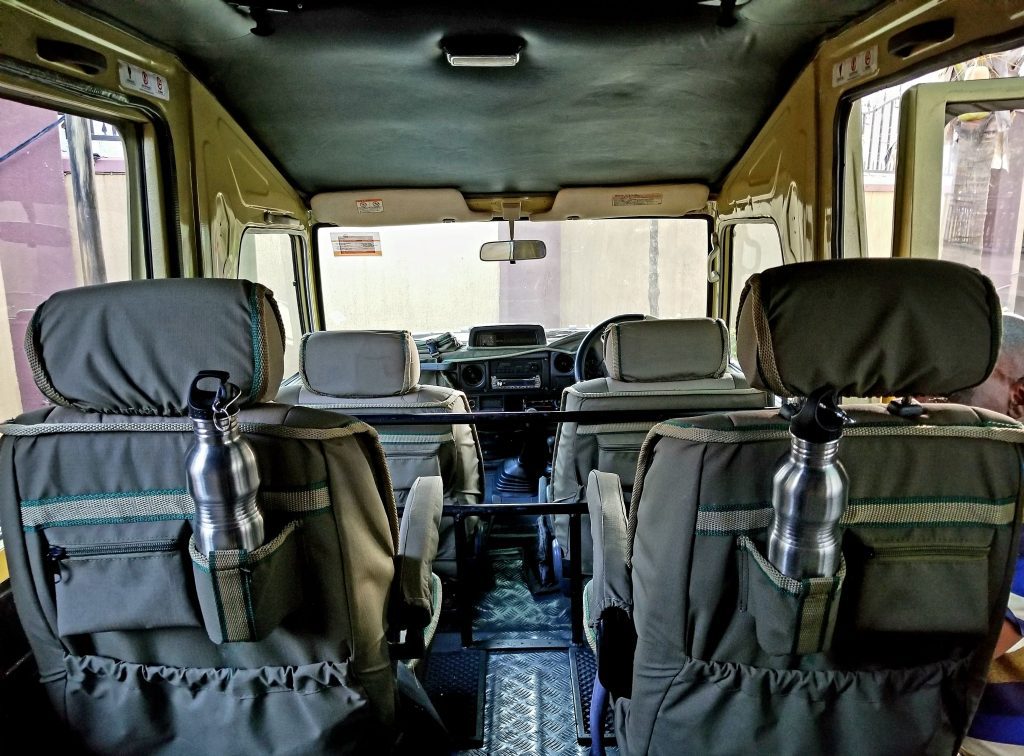
- Providing reusable water bottles to reduce reliance on single-use plastic during trips.
- Using a paper-light approach, with itineraries and travel information delivered digitally wherever practical.
- Printing double-sided when printing is necessary.
- Reusing and recycling paper in our office where possible.
- Keeping our small-group trips to a maximum of 8 guests.
- Promoting wildlife and nature experiences that contribute to conservation, including gorilla and chimpanzee trekking.
- Encouraging guests to learn about conservation and the importance of protecting Uganda's natural heritage.
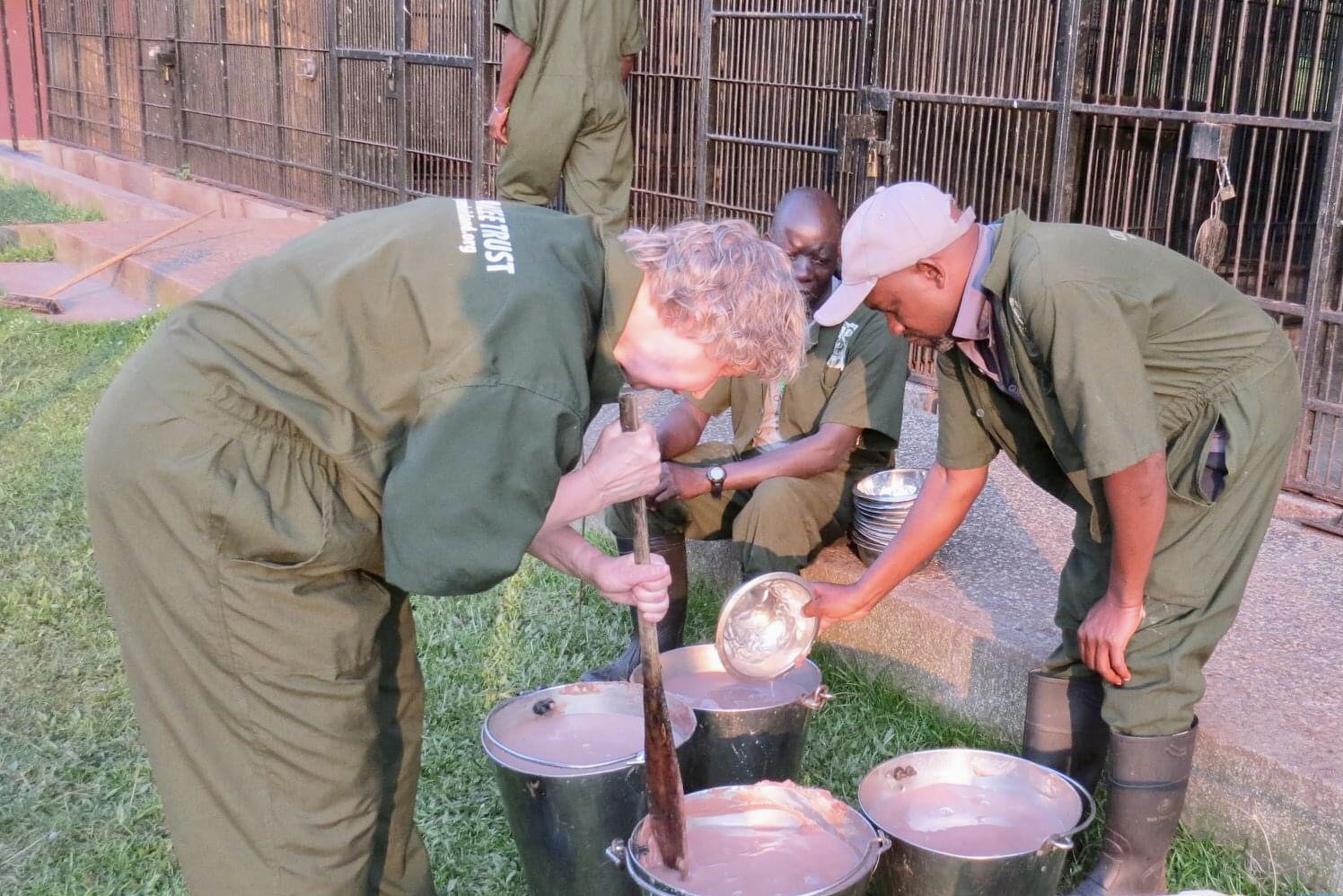
- Supporting initiatives that connect tourism, conservation and community participation, including Wild Run Uganda.
Supporting People and Communities
Tourism can create meaningful opportunities for the people who live in the destinations we visit.
We aim to strengthen local participation in tourism by:
- Employing local staff and guides.
- Working with local suppliers and service providers.
- Supporting community-based tourism experiences.
- Working with community artisans, cultural centres and heritage initiatives.
- Encouraging respectful cultural exchange between visitors and host communities.
- Promoting domestic tourism and opportunities for Ugandans to experience and learn about their country's natural and cultural heritage.
Our community relationships also extend beyond tourism through our involvement with local initiatives and organisations supporting community development, conservation and social wellbeing.
Responsible Business Practices
Sustainability also applies to the way we conduct our business.
We are working to strengthen responsible practices across our supply chain and business operations through:
- Prioritising local products and services where appropriate.
- Working with suppliers that align with our responsible-tourism principles.
- Promoting fair and transparent business practices.
- Using a Supplier Code of Conduct to communicate our expectations around responsible business practices.
- Integrating sustainability responsibilities into team roles and discussions.
- Providing sustainability information to new team members as part of onboarding.
People, Safety and Human Rights
- Responsible tourism must respect the dignity and rights of everyone involved in the travel experience.
- Travelers Link Africa maintains a zero-tolerance position toward child exploitation, forced labour and sexual exploitation. We expect our staff, suppliers and partners to uphold appropriate standards of safety, dignity and respect.
- We also aim to promote equal opportunities and a respectful working environment for our team and the people we work with.
Sustainability in Our Daily Operations
Some of our sustainability actions are simple operational choices that we can apply consistently.
Reducing Paper
We have adopted a paper-light approach. Client itineraries and travel information are delivered digitally rather than routinely printing documents for every trip. When printing is necessary, we use double-sided printing and reuse or recycle paper where possible.
Reducing Single-Use Plastic
We provide reusable water bottles and encourage travellers to use them throughout their journeys. This helps reduce reliance on disposable plastic water bottles during trips.
Small-Group Travel
Our trips are generally designed for small groups, with a maximum of 10 guests. Smaller groups allow for a more personal travel experience while helping us manage the impact of our operations on the places we visit.
Supporting Conservation
We encourage experiences that contribute to the protection of wildlife and natural habitats. Gorilla and chimpanzee trekking, for example, contributes to conservation through the permit and protected-area systems that make these experiences possible.
We also encourage guests to learn about conservation and, where appropriate, participate in activities such as tree planting.
Working With Our Partners
Our sustainability efforts extend beyond our own office and vehicles to the people and businesses involved in delivering our trips.
We aim to work with accommodation providers, guides, transport providers, activity operators and other suppliers that demonstrate responsible practices.
Over time, we are strengthening how we assess and communicate these expectations through our Supplier Code of Conduct and supplier engagement.

Measuring Our Progress
We believe sustainability claims should be supported by evidence and reviewed over time.
Our Sustainability Action Plan is reviewed quarterly, while our wider sustainability policy and priorities are reviewed annually.
We are developing and tracking indicators in areas including:
- Environmental impacts and emissions
- Waste reduction
- Paper and plastic use
- Local supplier engagement
- Community participation
- Staff sustainability engagement
- Sustainability training
- Feedback from clients, suppliers and community partners
As our data collection improves, we will use our findings to set clearer baselines, targets and timeframes and to report our progress more transparently.
Our Current Areas for Improvement
We recognise that there is always more to do.
Our current priorities include:
- Strengthening the collection of sustainability data.
- Establishing clearer baselines and measurable targets.
- Improving sustainability training and staff engagement.
- Strengthening our supplier sustainability assessments.
- Continuing to reduce unnecessary paper and single-use plastic.
- Improving how we measure our contribution to local communities and conservation.
- Reviewing our sustainability communication to ensure that our public claims accurately reflect our actual practices.
Our Commitment to Continuous Improvement
Travelers Link Africa is committed to learning, measuring and improving rather than presenting sustainability as something we have already perfected.
Our goal is to make responsible choices part of everyday travel planning and operations from the suppliers we work with and the information we provide to guests, to the communities and natural environments connected to each journey.
We welcome feedback from our clients, staff, suppliers and community partners as we continue this journey.
Travel thoughtfully. Respect the places you visit. Support the people who call them home.
Our Sustainability Status
Travelers Link Africa is a Travelife Partner and is working toward strengthening its sustainability management and reporting practices.
Our sustainability work is part of an ongoing process of improvement, and we aim to communicate our progress openly and responsibly.
What This Means for Our Partners and Clients
Working with Travelers Link Africa means partnering with a locally rooted DMC that takes responsible tourism seriously.
Our approach combines:
- Local destination knowledge and established relationships
- Fair and transparent business practices
- Consideration of sustainability in our operations and supplier relationships
- Tailor-made itineraries shaped around each client's interests, pace and travel preferences
- Ongoing efforts to measure and improve our environmental and social impacts
- We continue to strengthen our sustainability management, documentation and reporting as part of our commitment to responsible tourism.