Uganda Gorilla Trekking Safaris
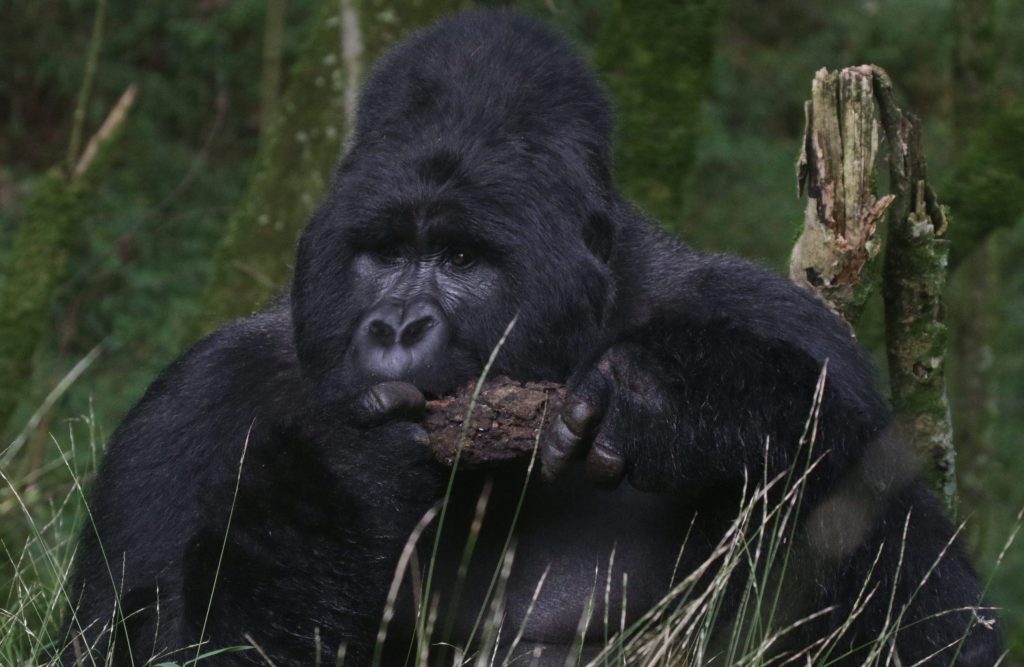
Gorilla trekking in Uganda offers an extraordinary opportunity to observe endangered mountain gorillas in their natural habitat. Deep in the mist-covered forests of southwestern Uganda, visitors can watch gorilla families feeding, grooming, playing and caring for their young in the wild.
The experience is both moving and humbling. The trek takes you through dense rainforest, along forest trails and across steep terrain, with experienced rangers and trackers guiding the way. When you finally encounter a gorilla family, you have a rare opportunity to observe these remarkable animals at close range while respecting their space and natural behaviour.
Uganda is home to a significant proportion of the world’s remaining mountain gorillas. Gorilla trekking takes place in two protected areas: Bwindi Impenetrable National Park and Mgahinga Gorilla National Park.
Beyond the gorillas, these destinations offer beautiful forest scenery, rich birdlife, dramatic mountain landscapes and opportunities to connect with communities living around the parks.
At Travelers Link Africa, we help travellers plan gorilla trekking safaris with permits, accommodation, transport and knowledgeable local guides, creating journeys that fit their interests, budget and available time.
Where to Go Gorilla Trekking in Uganda
Uganda currently has 21 habituated mountain gorilla families that visitors can track. These families are distributed across different sectors of Bwindi Forest and in Mgahinga Gorilla National Park.
Each sector offers unique trekking landscapes and experiences.
Buhoma Sector – Northern Bwindi
Buhoma is the original gorilla trekking sector and is well established for gorilla tourism. It offers forest scenery, nature walks and a selection of accommodation, from comfortable mid-range lodges to luxury safari properties.
Gorilla families include:
- Mubare
- Habinyanja
- Rushegura
- Katwe
- Muyambi
Buhoma is also known for its spectacular forest scenery and excellent lodge options.
Ruhija Sector – Eastern Bwindi
Ruhija is known for its high-altitude forest environment, cooler conditions and excellent birdwatching opportunities. It is a good option for travellers who would like to combine gorilla trekking with a birding experience.
Gorilla families include:
- Bitukura
- Kyaguriro
- Mukiza
- Oruzogo
Ruhija is also one of the best places in Uganda for birdwatching.
Nkuringo Sector – Southwestern Bwindi
Nkuringo offers some of the most scenic and adventurous treks in Bwindi.
Gorilla families include:
- Nkuringo
- Bushaho
Trekkers here enjoy breathtaking views of the Virunga volcanoes and surrounding valleys.
Rushaga Sector – Southern Bwindi
Rushaga offers access to several habituated gorilla families and is an important base for travellers interested in the gorilla habituation experience. The area has accommodation options at different price levels.
Families include:
- Nshongi
- Mishaya
- Kahungye
- Bweza
- Busingye
- Bikingi
- Rwigi
- Mucunguzi
- Kutu
Rushaga is also where the gorilla habituation experience takes place.
Mgahinga Gorilla National Park
Mgahinga lies within Uganda’s Virunga Mountains and offers gorilla trekking against a dramatic volcanic backdrop. Visitors track the Nyakagezi gorilla family when it is available for tourism.
The park is also known for golden monkey tracking, volcano hiking and the Batwa cultural experience. It can be an excellent choice for travellers who want to combine gorilla trekking with other primate and cultural activities.
A geographical distinction: Mgahinga is part of the Virunga volcanic landscape. Bwindi is a separate forest ecosystem, although both parks protect mountain gorillas.
Gorilla Trekking Permits in Uganda
A valid gorilla trekking permit is required to visit a habituated mountain gorilla family. Permits are issued by the Uganda Wildlife Authority and are limited to help manage visitor numbers and reduce disturbance to the gorillas.
The permit rates used in our planning are:
- Gorilla trekking permit: US$800 per person.
- Gorilla habituation experience: US$1,500 per person, subject to confirmation against the applicable UWA tariff.
Permit rates can depend on visitor category and the tariff in force. Confirm the applicable rate, availability and conditions when making your reservation.
For standard gorilla trekking, a maximum of eight visitors are permitted to visit a gorilla family during a session. The encounter is limited to one hour once the group reaches the gorillas.
Permits are date- and sector-specific, so it is best to secure availability before finalising the rest of your safari arrangements.
How to Book Gorilla Trekking Permits in Uganda
There are two main ways to arrange a gorilla trekking permit.
Book Through a Tour Operator
Booking through a tour operator such as Travelers Link Africa allows you to coordinate your permit with the rest of your safari.
We can assist with:
- Checking permit availability for your preferred dates.
- Arranging permits for the appropriate trekking sector.
- Selecting accommodation close to your trekking starting point.
- Organising private safari transport and a professional driver-guide.
- Combining gorilla trekking with wildlife viewing, chimpanzee tracking, birding or cultural experiences.
This approach is particularly useful for travellers visiting Uganda for the first time or combining several destinations into one itinerary.
Book Directly Through Uganda Wildlife Authority
Travellers can also enquire directly with the Uganda Wildlife Authority about permits. They will need to arrange their own accommodation, transport and other safari logistics.
Demand can be high during popular travel periods, so advance planning is recommended. Booking several months ahead gives you a better opportunity to secure your preferred dates and accommodation.
Gorilla Trekking and the Gorilla Habituation Experience
Uganda offers two different ways to experience mountain gorillas.
Standard Gorilla Trekking
Standard trekking involves hiking through the forest with rangers and trackers to locate a habituated gorilla family. Once the group is found, visitors spend one hour observing the gorillas.
This is the most common option and works well for travellers who want to experience mountain gorillas as part of a wider Uganda safari.
Gorilla Habituation Experience
The gorilla habituation experience allows visitors to accompany researchers and trackers working with a gorilla family that is still becoming accustomed to human presence.
The experience allows up to four hours with the gorillas, subject to the applicable park guidelines, and is limited to four visitors per group.
Unlike standard trekking, habituation offers an opportunity to learn more about the work involved in preparing gorillas for carefully managed tourism. The gorillas may be less accustomed to visitors, so their behaviour can be less predictable.
The experience is associated with Bwindi’s Rushaga sector. Confirm the exact location, availability and permit conditions when booking.
What to Expect During Gorilla Trekking in Uganda
Your trekking day usually begins with an early breakfast before you travel to the designated park headquarters.
At the briefing, rangers explain the trekking rules, safety procedures and expected conduct around the gorillas. Visitors are assigned a group and accompanied by trained personnel into the forest.
The trek can take several hours, depending on the gorillas’ location, the terrain and the conditions in the forest. Trails may be steep, muddy or overgrown, and the walking pace varies.
When the gorillas are located, visitors spend up to one hour observing them. You may see them feeding, resting, grooming, playing or interacting with other members of the family.
Follow your ranger’s instructions throughout the encounter. Keep the required distance, speak quietly, avoid sudden movements and never attempt to touch or feed the gorillas.
After the trek, you return to the park headquarters. Trekking certificates may be provided as a memento of the experience.
A typical trekking day begins early with breakfast before heading to the park headquarters.
How Difficult Is Gorilla Trekking in Uganda?
Gorilla trekking requires a reasonable level of physical fitness. The difficulty varies considerably because gorillas move freely through their natural habitat.
Some treks involve relatively short walks, while others require several hours of hiking over steep, uneven or slippery ground. Bwindi’s dense vegetation and hilly terrain can make sections particularly demanding.
To prepare:
- Wear sturdy hiking boots with good grip and ankle support.
- Use a walking pole if you find uneven ground challenging.
- Carry drinking water and light snacks.
- Dress in layers and take a waterproof jacket.
- Consider hiring a porter to carry your daypack and assist on difficult sections.
If you have concerns about mobility or fitness, discuss them with your tour operator before booking. Your trekking sector, accommodation location and transfer arrangements should be planned carefully.
What to Pack for Gorilla Trekking
The rainforest can be wet and muddy even during periods with less rainfall. Suitable clothing and footwear will make the experience more comfortable.
Clothing
- Long-sleeved shirts.
- Long trousers.
- A lightweight waterproof jacket.
- Gardening or trekking gloves to protect your hands from vegetation.
- Extra socks and a change of clothes for after the trek.
Footwear
- Waterproof hiking boots with good grip.
- Comfortable hiking socks.
Useful accessories
- A small daypack.
- Drinking water.
- Energy snacks.
- Insect repellent.
- Sunscreen and a hat.
- A camera or phone, carried securely.
- A walking pole if needed.
Avoid carrying unnecessary items. Your guide can advise you on the day’s conditions and what to bring.
Best Time for Gorilla Trekking in Uganda
Gorilla trekking is available throughout the year, although weather conditions can affect the walking experience.
June to September and December to February are generally considered drier periods. Trails may be easier to navigate, and these months are popular with safari travellers.
The wetter periods, commonly around March to May and October to November, can bring muddy trails and heavier rainfall. However, the forest is lush, the scenery is beautiful, and some travellers prefer the quieter atmosphere.
There is no guarantee of completely dry conditions in a rainforest. Choose your travel period based on your wider itinerary, preferred activities and flexibility.
Where to Stay During Gorilla Trekking
Choosing accommodation near your assigned trekking sector helps reduce early-morning transfers and makes the day more comfortable.
The following properties are options to consider when planning your stay. Availability, rates and suitability depend on your travel dates and preferred comfort level.
Buhoma
- Erebero Hills Lodge
- Bwindi Lodge
- Sanctuary Gorilla Forest Camp
- Mahogany Springs Lodge
- Buhoma Lodge
Ruhija
- Kiho Gorilla Safari Lodge
- Bakiga Lodge
Nkuringo
- Nkuringo Bwindi Gorilla Lodge
- Clouds Mountain Gorilla Lodge
Rushaga
- Gorilla Safari Lodge
- Gorilla Leisure Lodge
- Four Gorillas Lodge
- Ichumbi Gorilla Lodge
Mgahinga
- Mount Gahinga Lodge
Your accommodation should match your permit sector. A lodge that looks close on a map may still involve a lengthy drive because of the mountainous terrain and road conditions. We can help you select a suitable property and coordinate your transfers.
Uganda vs Rwanda Gorilla Trekking: Which Should You Choose?
Uganda and Rwanda both offer remarkable mountain gorilla encounters, but each destination suits different travel plans.
| Feature | Uganda | Rwanda |
| Gorilla trekking locations | Bwindi and Mgahinga | Volcanoes National Park |
| Landscape | Dense rainforest and volcanic mountains | Volcanic mountain forests |
| Trekking experience | Varies by sector and gorilla location | Varies by group and gorilla location |
| Wider safari options | Wildlife, chimpanzees, birding, lakes and cultural experiences | Wildlife, primates and cultural experiences |
| Travel planning | Suitable for longer, multi-destination safaris | Often convenient for shorter gorilla-focused trips |
Uganda is particularly attractive to travellers who want to combine gorilla trekking with other wildlife and nature experiences. A safari can include Queen Elizabeth National Park, chimpanzee tracking in Kibale Forest, Lake Bunyonyi, birdwatching and cultural encounters.
Rwanda may suit travellers looking for a gorilla-focused itinerary with a shorter transfer from Kigali to Volcanoes National Park, depending on their arrival arrangements.
The better choice depends on your budget, available time, preferred accommodation and the other experiences you want to include. Permit prices and travel conditions should be checked for your specific dates.
Explore our Uganda and Rwanda primate experiences to compare itinerary possibilities.
Gorilla Conservation and Responsible Tourism
Mountain gorilla conservation depends on protected habitat, ongoing monitoring, veterinary support, anti-poaching work and cooperation between conservation organisations and neighbouring communities.
Gorilla trekking is managed under rules designed to protect both gorillas and visitors. These include limits on visitor numbers, restricted viewing time and instructions on behaviour around the animals.
Visitors should follow all ranger guidance, avoid visiting when unwell, maintain the required distance and never leave rubbish in the forest.
Gorilla tourism can also create local employment through guiding, accommodation, transport, porter services and other tourism businesses. Community benefit programmes support efforts to make conservation valuable to people living alongside protected areas.
Responsible travel means respecting wildlife, local customs and the people whose lives are connected to these landscapes.
Combine Gorilla Trekking with More of Uganda
Gorilla trekking can be the centrepiece of a short visit or part of a longer journey through Uganda.
Depending on your interests and available time, you can combine it with:
- Chimpanzee tracking in Kibale Forest.
- Wildlife safaris in Queen Elizabeth National Park.
- Birdwatching in Bwindi, Ruhija and other important birding destinations.
- Lake Bunyonyi for scenic views and a relaxing stay.
- Golden monkey tracking in Mgahinga.
- Cultural and community experiences that introduce you to local traditions and livelihoods.
A well-planned itinerary allows enough time for travel between destinations while keeping your gorilla trekking permit and accommodation arrangements aligned.
For help estimating your overall budget, read our guide to Uganda safari costs. Replace this example URL with the published URL of your cost guide if its slug differs.