Uganda Safari Cost (2026 Guide): Plan Your Dream Safari
The Uganda Safari Cost (guide 2026)breaks down exactly how much a safari in Uganda costs in 2026, helping you plan smarter and get a personalized itinerary tailored to your budget, travel style, and interests.
Uganda has earned its place among the world’s top travel destinations, recognized by the Bradt Guide for its exceptional diversity and authenticity. Known as the “Pearl of Africa,” Uganda offers a rich tapestry of experiences from ancient cultures and breathtaking landscapes to pristine tropical rainforests and thriving, vibrant cities.
But what truly sets Uganda apart is its people. Warm, welcoming, and deeply connected to their heritage, Ugandans offer visitors an experience that goes beyond sightseeing, one that is personal, immersive, and unforgettable. A journey to Uganda is not just a trip; it’s an opportunity to connect, explore, and discover a destination unlike any other.
How much does a safari cost in Uganda?
The Average Cost of a Uganda Safari
- Budget Safari: Typically ranges from US$ 250 to US$ 300 per person per day.
- Mid-Range Safari: Generally falls between US$ 300 to US$ 500 per person per day.
- Luxury / Premium Safari: Offers premium experiences and accommodations, priced from US$ 600 to US$ 1500 or more per person per day.
Most travelers spend between $2,500 – $6,000 for a 5–8 day a uganda safari.
What Determines the Cost of a Safari in Uganda?
The cost of going on a safari in Uganda varies depending on several factors and variables. Below is a guide on what to consider.
1. The length of your safari
The length of your safari directly influences your expenses, with longer trips typically costing more compared to shorter ones.
The longer your trip, the higher the total cost but cost per day often decreases on longer safaris.
- Short trips (3–5 days): Lower total cost, limited experiences
- Longer trips (7–12 days): Better value, more immersive
Travel Tip: A 7–10 day safari offers the best balance of cost and experience.
2. The number of people on safari
The expense of a safari in Uganda tends to be more economical for larger groups of travelers. This is primarily due to the ability to divide the costs of transportation, accommodation, guide fees, and other services among the group members.
In contrast, solo travelers often face higher expenses as they bear the full burden of all trip logistics alone, without the benefit of cost-sharing. Consequently, the price quotation for a safari typically decreases as the number of participants increases, making it more affordable for larger groups.
3.The Accommodation Level
Accommodation options in Uganda present a spectrum of choices, with prices reflecting the level of comfort and amenities provided. Your choice of lodge has a big impact on price:
- Budget: Simple lodges, basic comfort
- Mid-range: Comfortable lodges with great locations
- Luxury: High-end lodges, exclusive experiences, premium service
4. Time of Travel (Seasonality)
The season you plan to go for your safari may determine the final cost of your safari in Uganda. The cost during the dry months of December to February and June to September are higher as compared to the wet season months of March to May and September to October. This is because, during the wet season, most lodges offer discounted accommodation rates for their facilities.
5. The Transportation and Guide Allowance – How Much Does a Safari Cost in Uganda?
The transportation expenses fluctuate depending on the mode of travel by land or air along with factors such as distance and chosen transportation method. These expenses typically include fuel surcharges per day, determined by the distance to be covered.
Opting for vehicle transportation is generally more cost-effective compared to air travel or domestic flights. Vehicle surcharges typically range from USD 200 per day includes the driver guide allowance but excluding fuel surcharges.
Domestic flights may incur costs starting from USD 290 for one-way trips and between USD 460 to USD 1000 for round-trip flights.
6. The Park Entrance Fees

7. The Activities to Include in the Safari – How Much Does a Safari Cost in Uganda?
The safari experience encompasses a variety of activities, each adding to the overall cost of the adventure. Typical safari activities include game drives, boat safaris, and nature walks, all of which offer unique opportunities to encounter wildlife in their natural habitats. Many safari itineraries also include primate viewing as a standard component.
However, specialized activities such as primate viewing, birding expeditions, immersive programs, and volunteer opportunities often come with additional costs beyond the standard wildlife tour package.
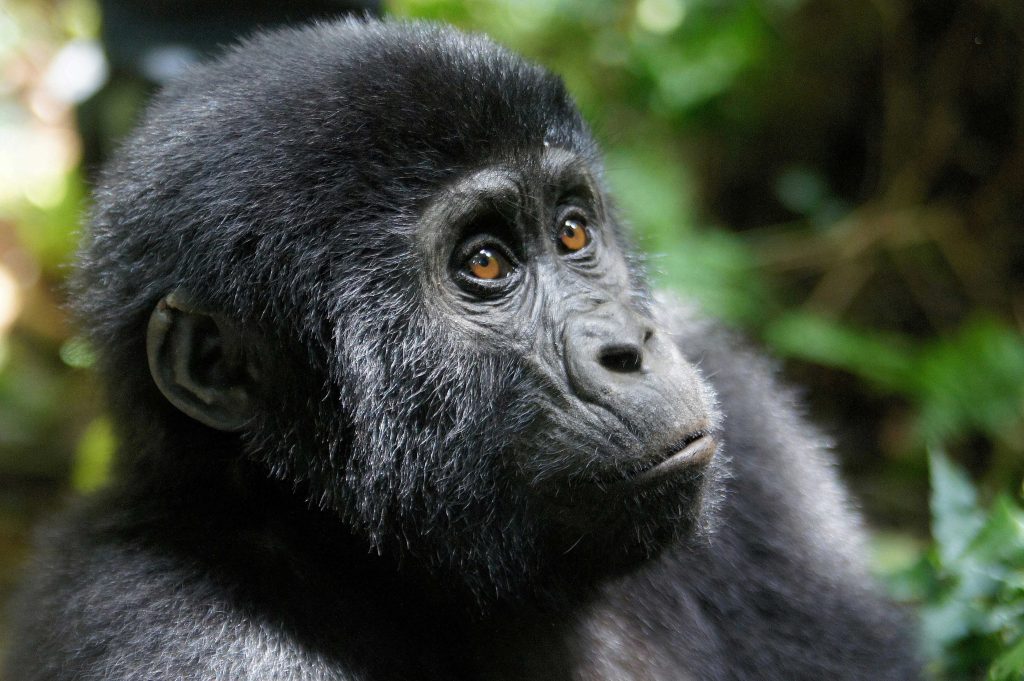
For instance, obtaining permits for chimpanzee trekking in Uganda typically costs USD 250 per person per trek, while gorilla permits are priced at USD 800 per person per trek. For the low season ( April, May, and November) the gorilla permit is USD 600 per person per trek.
Birding expeditions may require the services of a specialized birding guide, incurring additional charges ranging from USD 70 to USD 100 per day.
As travelers plan their safari adventure, it’s important to consider these various activities and their associated costs to tailor the experience to their preferences and budget.
The safari activities such as game drives, boat safaris, and nature walks all contribute to the overall cost of the safari. Most of the wildlife safaris will have primate viewing incorporated.
Some specialist activities like primate viewing, birding expeditions, experiential programs, and volunteer programs will cost more than a standard wildlife tour program of wildlife.
Chimpanzee trekking permits in Uganda cost USD 250 per person per trek and Gorilla Permits are USD 800 per person per trek, birding expeditions may attract a surcharge for a birding guide with costs of USD 70 per day to USD 100 per day.
8. Visa Costs
Most nationalities pay $50 for a single-entry visa. If you’ll also be traveling to Kenya or Rwanda (Tanzania is not included in this visa) get an East African tourist visa for $100.
9. Tips and Gratitude
Gratuities are customary in upscale hotels, safari lodges, and camps, as well as for guides and drivers. The amount typically ranges from USD 10 to USD 25 per person per day, depending on the duration of your stay and your level of satisfaction.
How to Save Money on a Uganda Safari
- Travel during the low season April, May and November.
- Travel with family or friends.
- Choose mid-range lodges (best value in Uganda)
- Limit domestic flights.
Is Uganda Worth the Cost?
Absolutely! It’s one of the best-value safari destinations in Africa today.
Uganda offers:
- Fewer crowds than other safari destinations
- Unique primate experiences (gorillas & chimpanzees)
- Rich cultural encounters
- Diverse landscapes in one country
Why Book with Travelers Link Africa? Uganda Safari Cost
We don’t just sell safaris , we design experiences around you.
- Tailor-made itineraries
- Deep local expertise
- Strong lodge partnerships
- Seamless logistics from arrival to departure
- Focus on nature, culture & authentic travel
Plan Your Uganda Safari with Experts
At Travelers Link Africa, we specialize in crafting personalized Uganda itineraries tailored to your specific tastes and preferences. Allow us to provide expert advice and organize your journey to ensure an unforgettable experience.
Ready to plan your Uganda safari?
Contact us today for a customized itinerary and quotation tailored just for you.