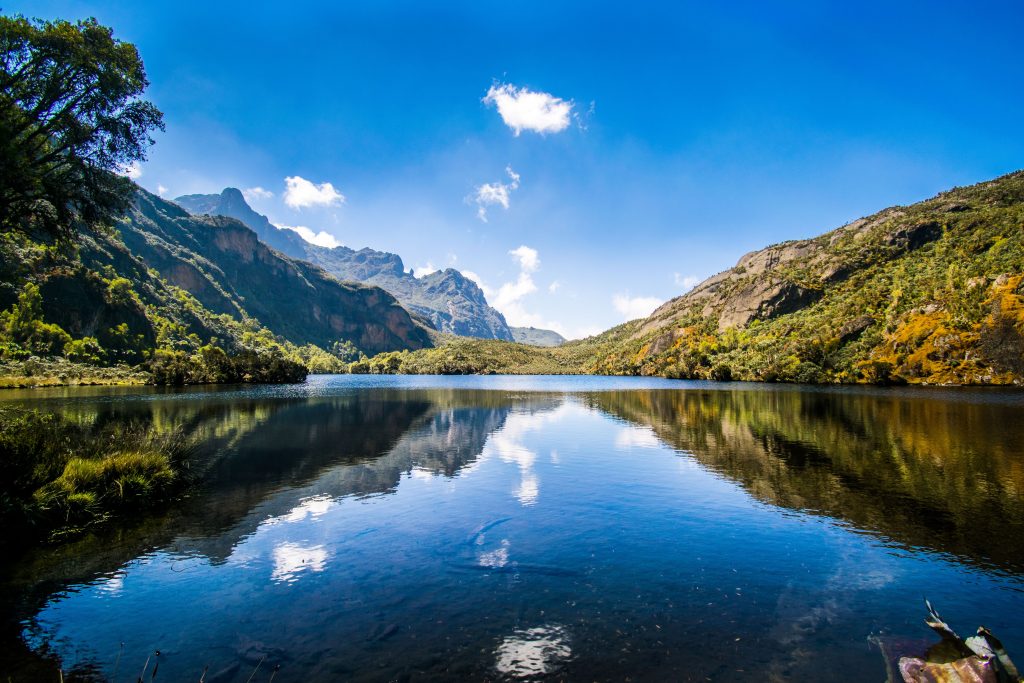
Rwenzori Mountain National Park: Africa’s Majestic Mountains of the Moon
Perched in western Uganda along the Uganda-Congo border, Rwenzori Mountain National Park sprawls over 996 sq km and is recognized as a UNESCO World Heritage Site. Celebrated as the “Mountains of the Moon,” Rwenzori is a realm of snow-capped peaks, glaciers, cascading waterfalls, clear alpine lakes, and lush montane forests.
This remarkable destination appeals to adventurers, wildlife lovers, birdwatchers, and cultural enthusiasts alike. Its alpine beauty, biodiversity, and rich heritage make it one of Africa’s most captivating natural treasures.
Why Visit Rwenzori Mountain National Park?
- UNESCO World Heritage Site: Preserving unique alpine ecosystems and glacial landscapes.
- Challenging Peaks: Home to Africa’s third-highest summit, Mt. Margherita (5,109 m).
- Biodiversity Hotspot: 70+ mammals and 217 bird species, including 19 Albertine Rift endemics.
- Cultural Encounters: Interact with the Bakonzo people, explore sacred sites, and enjoy local traditions.
- Adventure Tourism: Mountaineering, guided nature walks, birdwatching, and photography.
Rwenzori Mountain National Park offers experiences for all adventurers, from gentle cultural treks to high-altitude alpine climbing.
Rwenzori Peaks and Glaciers
The Rwenzori Mountains’ glacial peaks, deep valleys, and cascading waterfalls are legendary:
- Mt. Margherita (5,109 m): The park’s tallest peak and the ultimate mountaineering challenge.
- Mt. Albert (5,087 m): Features glacial lakes and breathtaking alpine vistas.
- Mt. Alexandra (5,083 m): Ideal for high-altitude explorers seeking remote scenery.
- Other Peaks: Mt. Emin (4,791 m), Mt. Gessi (4,751 m), Mt. Luigi da Savoia (4,627 m).
The mountains are the source of the River Nile, supporting downstream ecosystems and communities. V-shaped valleys, fast-flowing rivers, and waterfalls define the park’s alpine landscape, making it a natural wonder for photographers and nature lovers.
Alpine Flora: Africa’s Botanical Treasures
Rwenzori is home to unique alpine flora:
- Forest Zone (1,800–2,500 m): Dense montane forests with endemic trees, ferns, and orchids.
- Bamboo Zone (2,500–3,000 m): Bamboo thickets provide habitat for primates and birds.
- Giant Lobelia & Heather Zone (3,000–4,500 m): Iconic African alpine plants like giant lobelias, groundsels, and heathers.
This layered ecosystem is perfect for nature photography, research, and ecological tours. The combination of flora and glaciers makes Rwenzori one of the most biodiverse alpine areas in Africa.
Wildlife in Rwenzori Mountain National Park
The park is rich in wildlife diversity, offering encounters with unique species:
Mammals
- Forest elephants, black-and-white colobus monkeys, L’Hoest monkeys
- Hyraxes, bushbucks, and small nocturnal mammals
Birds
217 species including Albertine Rift endemics like:
- Rwenzori Turaco
- Rwenzori Nightjar
- Rwenzori Double-collared Sunbird
- Archer’s Robin-Chat
- Montane Masked and Collared Apalis
Reptiles & Amphibians
- Three-horned chameleons and other alpine reptiles inhabit rocky slopes and forests.
Tip: Dry months (June–August & December–February) are best for wildlife spotting, while wet months bring lush scenery and more active birdlife.
Adventure Activities at Rwenzori Mountain National Park
Mountain Climbing
Rwenzori’s snow-capped peaks and glaciers provide unparalleled mountaineering experiences:
- High-altitude treks: Above 4,000 m, 4–12 days
- Low-altitude treks: Up to 4,000 m, 2–4 days
Highlights:
- Panoramic views of Mt. Baker, Mt. Stanley, and Kitandara Lakes
- Traversing five distinct vegetation zones
- Wildlife encounters and alpine flora exploration
Guided Nature Walks
- Explore Mubuku and Nyamwamba Rivers, montane forests, and bamboo groves
- Spot wildlife such as squirrels, vervet monkeys, and elusive chameleons
- Learn about local flora and medicinal plants from expert guides
Birdwatching
- Over 217 species, including 17 Albertine Rift endemics
- Best months: April–May and October–November
- Top species: Rwenzori Turaco, Scarlet-tufted Malachite Sunbird, Rwenzori Double-collared Sunbird, Archer’s Robin-Chat
Photography
- Stunning glacier-fed rivers, waterfalls, alpine flora, and wildlife
- Capture unique moments of Bakonzo culture and village life
Cultural Experiences & Community Tourism
Ruboni Village Tour
- Engage with the Bakonzo people
- Learn farming practices: coffee, banana, and vanilla cultivation
- Witness traditional crafts, blacksmithing, and storytelling
- Explore sacred sites and cultural rituals
Traditional Dance & Storytelling
- Evening performances from 5:00 PM to 7:00 PM
- Craft displays and local markets
- Interaction with villagers for authentic cultural insights
Community-based tourism supports sustainable livelihoods while offering genuine cultural immersion.
Where to Stay at Rwenzori Mountain National Park
Before the actual hiking starts, these are the accommodation options close to the trail head.
Equator Snow Lodge, Mihunga Safari Lodge, Ruboni Community Camp.
High-Altitude Trekking Huts
- Central Circuit: Nyabitaba, John Matte, Bujuku, Elena, Kitandara, Guy Yeoman
- Kilembe Trail: Sine, Mutinda, Bugata, Hunwick’s, Margherita, Kiharo
- Weather-resistant huts for long treks with comfort and safety
Best Time to Visit Rwenzori Mountain National Park
- Dry Seasons: June–August & December–February for mountaineering and clear summit views
- Wet Seasons: March–May & September–November for lush scenery and birding; trails may be slippery
Tip: Dry season is preferred for glacier hikes, wet season for photography and vibrant vegetation.
How to Get There
By Road
- 300–350 km from Kampala via Fort Portal or Masaka–Mbarara–Kasese
By Air
- Flights from Entebbe International Airport to Kasese Airstrip (1h30m)
- 40-minute transfer to the park
- Operators: Aerolink Uganda
Embark on the adventure of a lifetime! Explore the snow-capped peaks, glaciers, and waterfalls of the Rwenzori Mountains while immersing yourself in Bakonzo culture. Book your unforgettable Rwenzori Mountain National Park experience with Travelers Link Africa today!