Gorilla Trekking in Uganda – The Ultimate 2026 Safari Guide
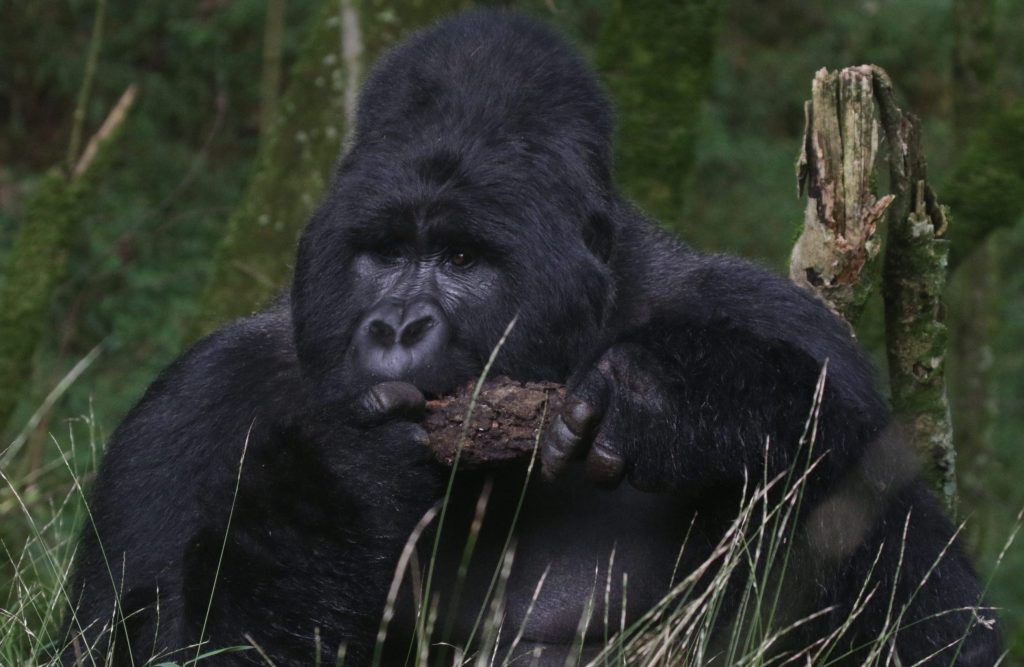
Gorilla trekking in Uganda is one of the most powerful wildlife encounters on Earth. Hidden deep within the mist-covered rainforests of southwestern Uganda, travelers have the rare privilege of standing just meters away from endangered mountain gorillas in their natural habitat.
The experience is both humbling and exhilarating. As you trek through ancient forests filled with birds, butterflies, and towering trees, the anticipation builds with every step. When you finally encounter a gorilla family, time seems to stand still as you watch them interact, groom, play, and feed in the wild.
Uganda is home to nearly half of the world’s remaining mountain gorillas, making it one of the most important destinations for primate conservation and gorilla tourism. Gorilla trekking in Uganda takes place in two remarkable protected areas:
- Bwindi Impenetrable National Park
- Mgahinga Gorilla National Park
Both parks form part of the wider Virunga Conservation Landscape that stretches across Uganda, Rwanda, and the Democratic Republic of Congo.
With ancient forests, volcanic mountains, exceptional biodiversity, and vibrant local cultures, gorilla trekking in Uganda offers far more than a wildlife encounter, it is a journey into one of Africa’s most remarkable ecosystems.
Where to Go Gorilla Trekking in Uganda
Uganda currently has 21 habituated mountain gorilla families that visitors can track. These families are distributed across different sectors of Bwindi Forest and in Mgahinga Gorilla National Park.
Each sector offers unique trekking landscapes and experiences.
Buhoma Sector – Northern Bwindi
Buhoma is the original gorilla trekking sector and administrative headquarters of Bwindi. The first gorilla group opened for tourism, the Mubare family, was habituated here in 1993.
Gorilla families include:
- Mubare
- Habinyanja
- Rushegura
- Katwe
- Muyambi
Buhoma is also known for its spectacular forest scenery and excellent lodge options.
Ruhija Sector – Eastern Bwindi
Ruhija sits at the highest altitude in Bwindi and offers cooler temperatures and sweeping forest views.
Gorilla families include:
- Bitukura
- Kyaguriro
- Mukiza
- Oruzogo
Ruhija is also one of the best places in Uganda for birdwatching.
Nkuringo Sector – Southwestern Bwindi
Nkuringo offers some of the most scenic and adventurous treks in Bwindi.
Gorilla families include:
- Nkuringo
- Bushaho
Trekkers here enjoy breathtaking views of the Virunga volcanoes and surrounding valleys.
Rushaga Sector – Southern Bwindi
Rushaga has the largest number of habituated gorilla families, offering more trekking permit availability.
Families include:
- Nshongi
- Mishaya
- Kahungye
- Bweza
- Busingye
- Bikingi
- Rwigi
- Mucunguzi
- Kutu
Rushaga is also where the gorilla habituation experience takes place.
Mgahinga Gorilla National Park
In Mgahinga Gorilla National Park, visitors track the Nyakagezi gorilla family across the slopes of the Virunga volcanoes.
The park offers a quieter trekking experience with dramatic volcanic landscapes and the opportunity to track endangered golden monkeys.
Gorilla Trekking Permits in Uganda
To participate in gorilla trekking, visitors must obtain a permit issued by the Uganda Wildlife Authority.
Permit fees are currently:
- Gorilla Trekking Permit: USD 800 per person
- Gorilla Habituation Experience: USD 1,500 per person
Permits are limited because only eight visitors per gorilla family per day are allowed to ensure minimal disturbance to the animals.
For this reason, permits should ideally be booked several months in advance, especially during peak travel seasons.
How to Book Gorilla Trekking Permits in Uganda
Booking a gorilla trekking permit is one of the most important steps when planning your safari.
Permits are issued and managed by the Uganda Wildlife Authority and are allocated according to the trekking sector and date of visit.
There are two main ways to book a permit:
Book Through a Tour Operator
Most travelers secure permits through licensed safari companies such as Travelers Link Africa. Tour operators handle the entire booking process, including:
- Checking permit availability
- Reserving permits in the preferred trekking sector
- Making secure payments to UWA
- Coordinating accommodation and transportation
This option is the most convenient and ensures the permit is correctly linked to your safari itinerary.
Book Directly Through Uganda Wildlife Authority
Travelers can also contact UWA directly to reserve permits, but they must still arrange transport, accommodation, and park logistics independently.
Because permits sell out quickly, especially during the dry seasons, it is recommended to book permits at least 3–6 months in advance.
Gorilla Habituation Experience
For travelers seeking a deeper encounter, the gorilla habituation experience allows visitors to spend four hours with a semi-habituated gorilla family.
Unlike standard trekking:
- Only four visitors per group are allowed
- Visitors accompany researchers and trackers
- Guests observe how gorillas are gradually accustomed to human presence
This experience takes place in the Rushaga and Nkuringo sectors of Bwindi.
What to Expect During Gorilla Trekking in Uganda
A typical trekking day begins early with breakfast before heading to the park headquarters.
At around 7:30 AM, visitors attend a ranger briefing where trekking guidelines and gorilla behavior are explained.
Trekkers are divided into groups of up to eight people and assigned a specific gorilla family.
The trek can last anywhere between 2 and 8 hours, depending on the location of the gorillas.
Once the gorillas are located, visitors spend one magical hour observing them as they feed, groom, and interact within their family group.
After the trek, visitors receive a gorilla trekking certificate as a memorable keepsake.
Uganda vs Rwanda Gorilla Trekking: Which is Better?
Many travelers wonder whether to trek gorillas in Uganda or Rwanda.
Uganda offers trekking in:
- Bwindi Impenetrable National Park
- Mgahinga Gorilla National Park
Rwanda offers trekking in:
- Volcanoes National Park
Key differences include:
Permit Cost
- Uganda: USD 800
- Rwanda: USD 1,500
Number of Gorilla Families
Uganda has more habituated gorilla families, meaning more trekking options.
Safari Diversity
Uganda safaris can easily combine gorilla trekking with wildlife viewing in:
- Queen Elizabeth National Park
- Kibale National Park
- Lake Bunyonyi
Uganda therefore offers greater biodiversity and value for money, while Rwanda offers convenience and luxury. Rwanda provides quicker and more accessible gorilla trekking, while Uganda delivers a more rugged, adventurous experience with steeper forest hikes. Choose Uganda for a more diverse, affordable safari; choose Rwanda for a shorter, more comfortable, luxury-focused trip.
How Difficult is Gorilla Trekking in Uganda?
Gorilla trekking requires moderate physical fitness, but most travelers can complete the trek successfully.
The rainforest terrain may include steep slopes, thick vegetation, and muddy trails. The trek duration varies depending on the gorillas’ movements.
Fortunately, experienced rangers from the Uganda Wildlife Authority guide visitors throughout the journey.
Porters are also available to help carry bags and assist trekkers on challenging terrain.
What to Pack for Gorilla Trekking in Uganda
Packing correctly will make your trek more comfortable.
Essential items include:
Clothing
- Long-sleeved shirts
- Long trousers
- Waterproof rain jacket
- Gardening gloves
Footwear
- Waterproof hiking boots
- Thick hiking socks
Accessories
- Small backpack
- Water bottle
- Energy snacks
- Sunscreen
- Insect repellent
- Hat
Bwindi’s rainforest climate means sudden rainfall is common, so waterproof gear is highly recommended.
Best Time for Gorilla Trekking in Uganda
Gorilla trekking is possible throughout the year.
The best conditions occur during the dry seasons:
- June to September
- December to February
The green seasons (March–May and October–November) offer lush scenery, fewer tourists, and excellent photography opportunities.
Where to Stay During Gorilla Trekking in Uganda
Accommodation options range from mid range lodges to luxury safari camps.
Buhoma
- Bwindi Lodge
- Sanctuary Gorilla Forest Camp
- Mahogany Springs Lodge
- Buhoma Lodge
Ruhija
- Bakiga Lodge
Nkuringo
- Nkuringo Bwindi Gorilla Lodge
- Clouds Mountain Gorilla Lodge
Rushaga
- Gorilla Safari Lodge
- Four Gorillas Lodge
- Ichumbi Gorilla Lodge
Mgahinga
- Mount Gahinga Lodge
Conservation in Action
Gorilla tourism is carefully managed by the Uganda Wildlife Authority under strict conservation guidelines. Only eight visitors can visit each gorilla family per day and interactions are limited to one hour.
Permit revenue funds:
- Ranger patrols
- Veterinary care for gorillas
- Conservation research
- Anti-poaching operations
Protecting gorillas also protects the entire rainforest ecosystem.
Community Partnerships and Local Benefits
Gorilla tourism supports surrounding communities.
Approximately 20% of permit revenue is shared with communities around Bwindi and Mgahinga.
This funding helps build:
- Schools
- Health centres
- Clean water systems
- Community development programs
Local residents also benefit through employment in lodges, guiding, and conservation work.
Plan Your Gorilla Trekking Safari
Most gorilla trekking itineraries range from 3 to 10 days and can be combined with wildlife safaris, chimpanzee tracking, birding, and cultural encounters.
At Travelers Link Africa, we design customized gorilla trekking safaris that include:
- Gorilla permit reservations
- Carefully selected accommodations
- Private safari vehicles and expert guides
- Tailor-made itineraries across Uganda
Start Planning Your Gorilla Trekking Adventure
Seeing mountain gorillas in the wild is a life-changing experience that connects travelers to one of the world’s most extraordinary wildlife conservation success stories.
Contact Travelers Link Africa today to secure your gorilla trekking permit and create your personalized Uganda safari.
Email: info@travelerslinkafrica.com