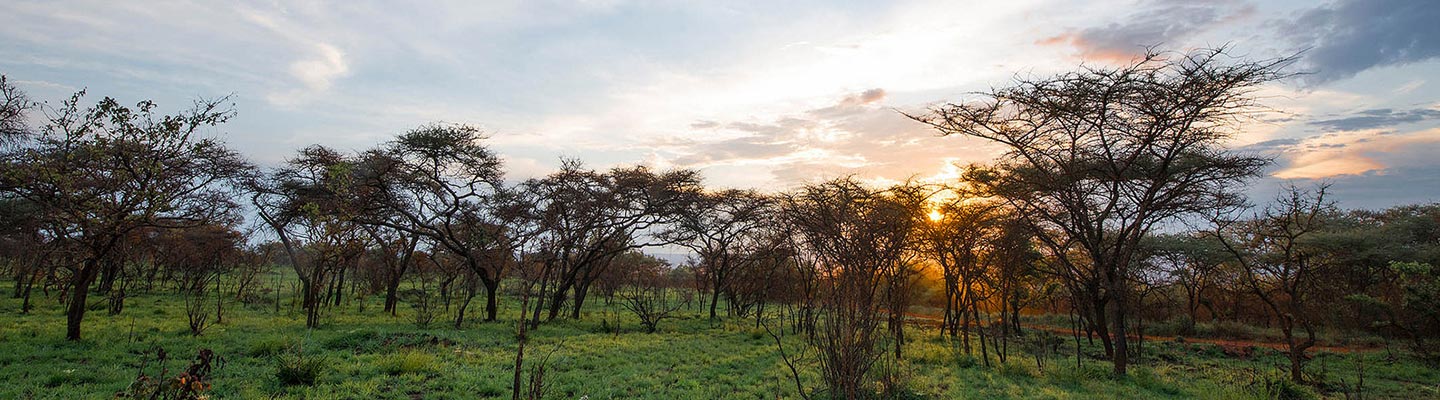
 Akagera National Park, Rwanda
In northeastern Rwanda, Akagera National Park sprawls across 1,122 sq km, the largest protected wetland in Central Africa. Its very name, derived from the Kagera River, underscores the significance of water in this region.
The river courses along the park’s eastern edge, nurturing the land as it flows, and replenishing the vital lakes of Ihema and Shakani. This life-giving water sustains an extraordinary ecosystem characterized by diverse water sources and captivating landscapes.
To the north, Akagera unfolds in vast stretches of low-lying grassland and savannah, offering an expansive canvas for wildlife to roam. In contrast, the western reaches of the park showcase rolling hills and valleys, reminiscent of Rwanda’s picturesque countryside. Meanwhile, to the east, the Akagera River delineates the park’s boundary, ushering in a mosaic of lakes and marshes that harbor rich biodiversity.
Despite its modest size, Akagera National Park promises an immersive safari experience, boasting a tapestry of landscapes, habitats, wildlife, and avian species.
From thrilling game drives across the savannah to tranquil boat cruises along shimmering waterways, every corner of Akagera beckons outdoor adventurers to discover its hidden wonders.
Top Things to Do in Akagera National Park
Game Safaris
The park is home to a variety of wild animals, including the Big 5: lions, leopards, rhinos, elephants, and buffalo. Additionally, hyenas, zebras, giraffes, antelopes, and several species of primates, such as olive baboons, vervet monkeys, and nocturnal bush babies, live in the park.
Game drives traverse the plains, hills, and lakes, providing the opportunity to witness thrilling wildlife interactions and see creatures big and small during morning and afternoon excursions.
Night game drives that last about 2 hours, starting from 6:00 pm to 8:30 pm, are also available. Keep an eye out for nocturnal animals using the spotlight, including leopards, as they hunt during the night.
Boat rides
Within Akagera National Park lies Lake Ihema, the second-largest lake in Rwanda. Its shallow waters are home to a diverse range of wildlife, including crocodiles and hippos, making it a fascinating destination for visitors. The lake is also a haven for bird enthusiasts, with over 520 different species inhabiting the area.
A boat trip along the peaceful shores of Lake Ihema offers a unique perspective on the park, allowing visitors to experience the beauty of the surroundings and observe the abundant wildlife. With the gentle breeze in their faces, visitors can listen to the melodious sounds of the birds and catch a glimpse of the hippos as they bask in the water.
The majestic crocodiles silently glide through the ancient waters, adding to the enchanting atmosphere. A boat ride on Lake Ihema is truly an unforgettable experience, providing a glimpse into the vibrant tapestry of life that thrives within Akagera National Park.
Birding in Akagera
With over 500 bird species soaring through its skies, Akagera National Park is a paradise for bird enthusiasts. It offers a captivating glimpse into the Birding Expedition in the region.
Among the resident bird species is the elusive and prehistoric-looking shoebill stork, a rare gem sought after by birdwatchers worldwide.
As you explore the park’s diverse landscapes, keep an eye out for the vibrant hues of the papyrus gonolek, the graceful flight of the Lesser Kestrel, the elusive Great Snipe, and the striking silhouette of the Black-winged stilt, among other exquisite species.
Birding in Akagera National Park offers opportunities to spot bird species while on game drives, guided nature walks, and tranquil boat safaris on Lake Ihema.
Glide along the serene waters of Lake Ihema, where waterbird species like the white-winged swamp warbler and the elegant western reef heron grace the shores, offering a picturesque backdrop for your birding adventure.
Whether you’re a seasoned birder or a novice birder, Akagera National Park promises a symphony of birding delights, waiting to be discovered amidst its breathtaking landscapes and rich biodiversity.
Explore the Behind-the-Scenes Experience
Cultural tours near Akagera National Park
Experience the way of life around the cattle-keeping communities near Akagera National Park. Get to participate in traditional cattle grazing, milking, and traditional milk storage in calabashes for preservation. The Imigongo Art and Craft Centre, which was designed by Prince Kakir,a created the art of house decoration using cow dung, which is also usually done by women.
Dry dung is put together with colors from organic materials like plants to create white and red paints. The Cultural Heritage takes you to the cattle farm to try out milking a cow and then learn about the rituals around milk, like storage in calabashes.
Visit the farmer’s home and then see how milk was traditionally kept, treated, and preserved until it’s turned into ghee, a local mayonnaise. There are special vessels that are sometimes used for storing and drinking milk and the herbs that are smoked to flavor the milk.
Visit a Honey Cooperative to learn both the traditional and modern methods of beekeeping. You will also visit a family producing urwagwa or banana beer, and thereafter you can sample it.
The Arts and crafts activities will also show you how local artisans will create their products; the Imigongo is an iconic Rwanda art within the Eastern province. The blacksmiths showcase their creative talents, and the traditional dancers that express Rwanda culture through music and movement.
Where to stay in Akagera National Park
Magashi Camp – Premier Experience
Magashi Camp is an exclusive wilderness camp in the northeast of Akagera National Park, set in a prime game-rich area overlooking Lake Rwanyakazinga. The camp has six luxury tents accommodating 12 guests, each on a wooden platform with a private veranda. Tents feature large windows, comfortable beds with mosquito nets, seating, storage, a fan, safe, tea/coffee facilities, a minibar, Wi-Fi, and an en-suite bathroom with a shower, sink, and separate toilet. There are wooden walkways which connect the tents to the central lodge area.
Dining & Facilities include: Bar, lounge, and dining area in the central camp, Outdoor swimming pool, and evening campfire on the lower deck.
Ruzizi Tented Lodge – Luxury Option
Ruzizi Tented Lodge is a unique tented lodge on the shores of Lake Ihema in southern Akagera National Park, offering an intimate and eco-friendly wildlife experience. The fully powered solar lodge features nine cozy tents, each on a stone platform with a private veranda. The tents include comfortable beds and bathrooms with showers and toilets. There are wooden walkways connecting all tents to the central lodge area.
Dining & Facilities include a central reception, dining area, bar, and lounge, Large wooden deck overlooking the lake for meals or relaxation. There is an Evening campfire gathering.
Mantis Akagera Game Lodge– Luxury Option
Akagera Game Lodge is a hilltop lodge located about 5 km from the southern entrance of Akagera National Park, offering panoramic views of Lake Ihema. The lodge has 60 rooms spread over two floors: Standard Rooms (ground floor) are spacious, can accommodate an extra bed for a child up to 12 years. There are Balcony Rooms (first floor) which are slightly smaller, suitable for two guests.
All rooms feature comfortable beds, air conditioning, a safe, coffee/tea facilities, a sitting area, Wi-Fi, a balcony, and bathrooms with showers and toilets.
Dining & Facilities include a Shoebill Restaurant- central dining area, Elephant Bar with terrace, Lounge areas with panoramic views, Outdoor swimming pool overlooking Lake Ihema.
The best time to visit Akagera National Park
June to August and December to February. The park is generally dry and less slippery during these months and is ideal for game safaris and photography.
March-May and October-December.
The long-wet season months are September, October, November, and the early part of December, while the short-wet season begins around mid to late February through March, April, and May. During these months, the heavy rains make the hiking trails slippery, and visibility is also a challenge.
For bird watching, the November-April months tend to attract migratory birds. December to February is the best time for birding as there are fewer showers of rain. In May and June, the food supply is abundant, and it is the main nesting season. March-May; there are usually heavy rains and the hiking trails tend to be slippery.
How to get to Akagera National Park
Akagera Park is accessed from Kigali through Rwamagana town to the southern gate of the park. The Northern gate is currently used only for the exit. The journey takes a total of about 2- 3 hours to arrive at the park entrance. There is an option of flying to the park using the services of Akagera Aviation for those not keen on the 2-hour drive.