Discover Pian Upe Wildlife Reserve – Uganda’s Untamed Wilderness
Pian Upe Wildlife Reserve is Uganda’s second-largest protected area, covering approximately 2,788 square kilometres in the rugged northeastern region of Karamoja. The reserve lies strategically between Kidepo Valley National Park and Mount Elgon National Park, creating an important wildlife corridor across Uganda’s remote northeastern landscapes.
This vast wilderness is characterized by sweeping savannah plains, rocky outcrops, seasonal rivers, and dramatic mountain backdrops. Its relative isolation means fewer visitors, offering travellers a rare opportunity to experience Uganda’s wild landscapes in near solitude.
A Land of Cultural Heritage and Natural Beauty
The name Pian Upe honours the Pian and Upe communities, pastoralist groups whose traditions and livelihoods have shaped this region for generations.
Exploring the reserve offers not only wildlife encounters but also an opportunity to experience the vibrant cultural heritage of the Karamoja region, where cattle keeping, storytelling, traditional dances, and ancestral customs remain central to daily life.
Top Things to Do in Pian Upe Wildlife Reserve
Game Drives
Game drives across Pian Upe’s vast plains provide the chance to encounter some of Uganda’s rarest wildlife species. The reserve is particularly famous for the Roan Antelope, which is found almost exclusively in this region of Uganda. Visitors may also encounter:
-
Cheetah
-
Ostrich
-
Leopard
-
Spotted Hyena
-
Rothschild’s Giraffe
-
Plains Zebra
-
Günther’s Dik-dik
-
Common Duiker
-
Mountain Reedbuck
-
Aardvark
Primates in the reserve include:
-
Patas Monkey
-
Vervet Monkey
-
Olive Baboon
With its wide open terrain, wildlife sightings can be incredibly rewarding.
Birdwatching Paradise
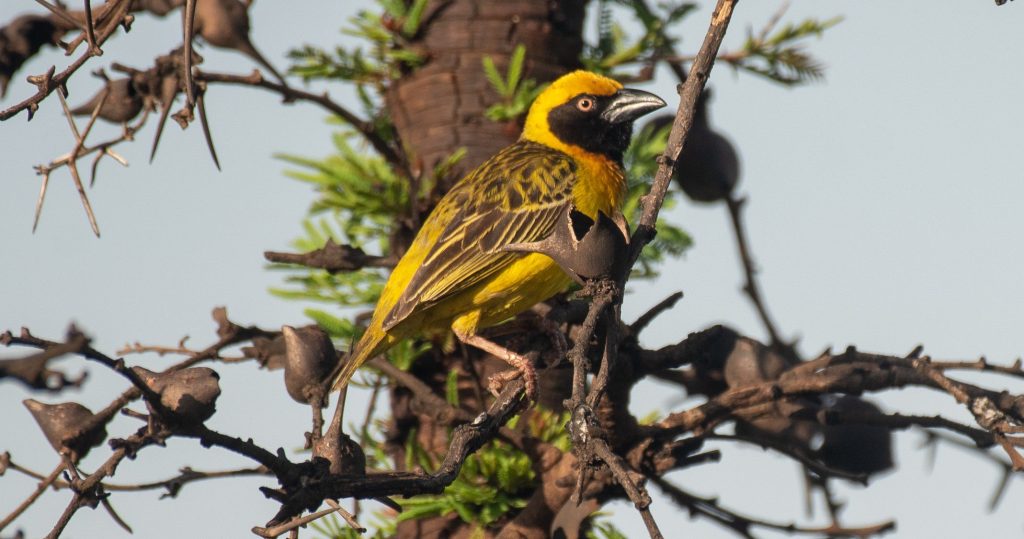
Pian Upe Wildlife Reserve is a fantastic destination for bird enthusiasts, with over 240 recorded bird species.
The open plains and savannah woodland habitats support remarkable birdlife including:
-
Common Ostrich
-
Karamoja Apalis
-
White-headed Buffalo Weaver
-
Jackson’s Hornbill
Birders often visit the Cheposukunya Hot Springs, a location that attracts numerous bird species and offers excellent birdwatching opportunities.
Mountain and Rock Climbing
The landscape surrounding Pian Upe is defined by dramatic mountain ranges and rocky formations. Adventurous travelers can climb Mount Kadam, the second-highest mountain in the Karamoja region, rising to approximately 3,063 metres above sea level.
Treks to the summit typically take two to three days, passing through:
-
Dense forests
-
Bamboo vegetation
-
Rocky ridges and scenic viewpoints
Designated camping areas allow hikers to spend nights surrounded by the sounds of the wilderness.
Nature Walks
Guided nature walks offer a more intimate way to explore Pian Upe’s pristine landscapes.
Walking through the reserve allows visitors to observe wildlife, birdlife, and reptiles while learning about the ecosystem from experienced guides.
Common sightings during walks include:
-
Patas monkeys
-
Vervet monkeys
-
Olive baboons
-
Numerous savannah birds and reptiles
Cultural Encounters
A visit to Pian Upe is also an opportunity to engage with the local communities. The Upe people, who speak a Kalenjin language, are closely related to the Pokot community of Kenya, while the Pian people belong to the Karamojong ethnic group.
Both communities are traditionally pastoralists, and cultural visits provide insight into:
-
Traditional cattle keeping
-
Local crafts
-
Cultural dances
-
Daily life in Karamoja
These encounters offer meaningful connections between visitors and the people who have lived in harmony with the land for generations.
Cave Exploration
Pian Upe is also known for fascinating cave exploration sites. The Napendio Cave contains ancient rock paintings believed to represent wildlife and early human life in the region.
Nearby, Napedet Cave features historical cooking stones and rock art depicting animals such as:
-
Elands
-
Warthogs
-
Giraffes
The views from these caves provide spectacular perspectives of the surrounding plains.
Best Time to Visit Pian Upe Wildlife Reserve
Pian Upe experiences two dry seasons and one rainy season. The best time to visit is from January to March, when wildlife gathers around water sources, making sightings easier.
Another good period is November to December, when the landscape remains green after the rains but temperatures are more comfortable.
During the rainy season from April to October, roads may become difficult to navigate and wildlife tends to spread across the reserve.
Where to Stay in Pian Upe Wildlife Reserve
Accommodation options in Pian Upe allow visitors to stay close to nature. The Uganda Wildlife Authority provides basic yet comfortable self-contained tents and cottages within the reserve.
Travellers seeking mid-range accommodation can stay at Karamoja Overland Camp, which offers en-suite safari tents and beautiful views of the surrounding wilderness.
Preparing for Your Pian Upe Safari
To ensure a comfortable experience, consider packing the following essentials:
Clothing: Light clothing for the hot daytime temperatures and warmer layers for cooler evenings.
Insect Repellent: Essential for protection from insects.
Hat and Hiking Shoes: A wide-brimmed hat and sturdy shoes help protect against the sun and rugged terrain.
Camera and Gadgets: The landscapes and wildlife provide excellent photography opportunities.
How to Get to Pian Upe Wildlife Reserve
Pian Upe Wildlife Reserve can be reached by road from Kampala. The journey takes approximately 8 hours, traveling east to Mbale and then continuing for about two hours to the reserve.
Another route approaches the reserve through Moroto, passing through Namalu Trading Centre before entering the protected area.
Plan Your Pian Upe Adventure
For travellers seeking remote landscapes, rare wildlife, and authentic cultural encounters, Pian Upe Wildlife Reserve offers one of Uganda’s most rewarding off-the-beaten-path safari experiences.
Contact Travelers Link Africa today to plan your Pian Upe safari and explore the hidden wilderness of northeastern Uganda.